Hey everyone, let’s cut to the chase — I’m Sam, sales lead at this plastic formwork supply team, and I get asked this question at least three times a day: “Can plastic formwork actually hold its own in industrial building construction?” Most people still picture that heavy, dented metal formwork or flimsy plywood that warps within three uses. I won’t lie — when I first started in this space a decade ago, I thought plastic formwork was just another gimmick for tiny residential projects. But over the last 8 years, I’ve spent so much time on job sites watching crews use our stuff for warehouses, manufacturing plants, and big distribution centers that I’m here to tell you: this technology isn’t just for small jobs anymore. It’s a game-changer for industrial construction, full stop. Plastic Formwork
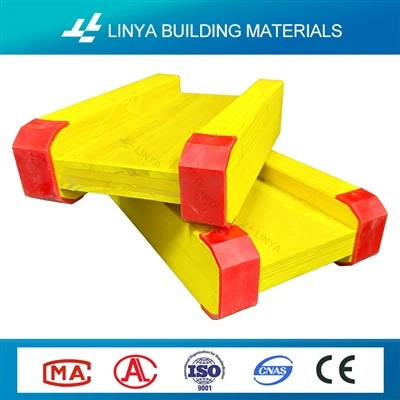
Let’s start with what industrial construction actually needs, because that’s the make-or-break part. When you’re building a 50,000 sq ft warehouse, or a 3-story manufacturing plant with huge load-bearing walls, you can’t afford delays, you can’t waste materials, and you definitely can’t deal with formwork that cracks mid-pour. Last year, we had a client in Dallas building a new food distribution facility — they needed 12-foot-tall form panels for concrete retaining walls, and their old metal formwork was taking 2 full days to strip and prep for the next pour. They switched to our plastic formwork, and that timeline dropped to 4 hours. Crews didn’t have to grind rust off edges, they didn’t have to patch dents, and the panels weighed half as much as their old metal set — so two guys could lift them instead of four, no special rigging needed. That’s the kind of speed that matters for industrial jobs, where every day of delay costs thousands in rent for heavy equipment or missed production deadlines.
But here’s the thing people actually worry about: strength and durability. Industrial concrete pours are intense, right? You’re pouring thick, high-strength concrete, sometimes with additives that can be corrosive. Early plastic formwork from the 90s was garbage — it’d flex, warp, and degrade after 5 or 6 uses. But modern plastic formwork? We use high-density polyethylene (HDPE) that’s reinforced with fiberglass for our panels, and I’ve seen our crews put those panels through 50+ pours without a single crack. Last month, a client in Detroit used our formwork for the foundation of a new auto parts plant — they poured 30,000 sq ft of slab, and the same panels got reused for the wall forms on the second level. No scratches that affected the finish, no warping that made the concrete uneven. We even tested a panel by dropping a 50lb metal toolbox on it from 10 feet up — just a tiny scuff, no structural damage. Compare that to plywood, which would’ve split in two, or metal formwork that would’ve dented so bad it couldn’t get a smooth pour.
Wait, let’s talk about that finish too, because industrial buildings need perfectly smooth walls — no rough edges, no bubbles, because later you might be hanging heavy machinery, or running pipes, or even finishing the walls with paint or epoxy. One of the biggest pain points with plywood is that it absorbs moisture from concrete, so when you strip it, you get that fuzzy, rough surface that takes hours of grinding to fix. Metal formwork leaves a good finish, but it’s prone to rust stains if you don’t coat it correctly. Our plastic panels are non-porous, so concrete just slides off clean. I’ve seen walls pulled right off our formwork that looked like they were sprayed with a trowel — no patching, no grinding needed. That saves crew hours, which is huge when you’re working on a tight industrial schedule.
Now, let’s get real about cost, because no one ignores that, especially on big construction jobs. A lot of project managers look at the upfront cost of plastic formwork and go, “Wait, that’s way more expensive than plywood.” But let’s do the math. Plywood only lasts 3-5 uses before it’s too warped or damaged to use. Metal formwork lasts longer, but it’s heavy, expensive to transport, and needs regular maintenance — grinding rust, oiling edges, repairing dents. Our plastic formwork: yes, the upfront panel cost is higher, but a set will last 60-80 uses. Last year, the Dallas warehouse client told us that their total formwork cost dropped 22% compared to using metal, because they didn’t have to rent extra panels for delays, they didn’t need a separate crew to maintain the metal, and the stripping time saved them $12,000 in labor alone. That’s not a small number for a project that was already $4 million total.
But hold on — I’m not here to say plastic formwork fixes every single problem. Let’s be honest about the limitations, because no one likes a hype guy who skips the downsides. It’s not the best choice for every job. If you need super custom, curved concrete walls for a decorative office area attached to an industrial plant, plastic formwork might not bend the way you need, especially if it’s reinforced. And if you’re pouring extremely high-strength concrete (over 10,000 psi) for really specialized structural elements, metal still has an edge — though our latest reinforced panels can handle up to 8,000 psi with no issues. Also, in really cold climates? Wait, no — actually, we’ve tested our panels in Minnesota winters, where temps dropped to -20°F, and they didn’t get brittle. The only real caveat I’ll mention: if you’re working on a job where you need to cut custom panels on-site every single day, plastic is a little trickier to cut than plywood, though you can use the same saws, and the cut edges seal back up so you can reuse those panels too.
Another big win for industrial construction: sustainability. A lot of industrial owners are pushing for green building ratings now, like LEED or BREEAM, and plastic formwork checks those boxes. Plywood is a huge waste product — millions of sheets get thrown away every year after 2-3 uses. Metal formwork lasts longer, but it’s heavy to transport, so fuel costs add up, and it’s prone to rust. Our plastic formwork is made from 100% recycled HDPE, and when a panel does reach the end of its life (which takes decades, not years), you can recycle it again into new formwork or other plastic products. The Detroit auto parts client we worked with got 12 LEED points just from using our formwork, which qualified them for a tax break — that’s extra cash in their pocket, not just a feel-good win.
I’ve heard some contractors say, “Plastic formwork is too flimsy for the big industrial jobs I do.” Let me call that out — that’s outdated. Ten years ago, that was true, but materials science has come so far. Our panels don’t flex even when you’re pouring a 12-inch thick concrete wall. We’ve had clients use them for circular slabs for water tanks, for high walls for distribution centers, even for foundation footers that need to hold hundreds of thousands of pounds of weight. Last quarter, we had a client in Houston build a 60-foot-tall grain silo support structure with our formwork — that’s not a tiny residential job, that’s heavy industrial, and it worked perfectly.
What about ease of use? Industrial crews are always rushed, so tools that save time are gold. Our plastic formwork panels lighten the crew’s load — no more straining to lift 50lb metal panels when a plastic panel of the same size is 20lb. They snap together with simple clips, not the heavy bolts metal uses, so setting up the formwork is faster. Stripping is even easier — since the concrete doesn’t stick, you just pry the panel off with a crowbar (no special tools needed) and move it to the next spot. One crew in Chicago told me that they could set up and strip 100 linear feet of formwork in half the time it took with their old metal set. That’s the kind of efficiency that makes project managers happy, because it means they can wrap the job 2 weeks early.
Wait, let’s address a common misconception: some people think plastic formwork can’t handle the heavy vibration from concrete pumps. Nope, our reinforced panels are designed to absorb that vibration without shifting or cracking. Concrete pumps are super powerful, and if your formwork moves even a little, you get uneven concrete walls or slabs. I’ve seen our panels hold up perfectly even when a concrete pump is right next to them, pouring at full pressure. No shifting, no leaks, no mess.
Is there a time when plastic formwork isn’t worth it? Sure, if it’s a tiny industrial job — like a 1,000 sq ft storage shed, plywood is cheaper upfront, so that might make more sense. But for any industrial project over 10,000 sq ft, any project with tight schedules, any project where finish quality matters, plastic formwork is the way to go. I’ve worked with hundreds of industrial contractors over the last 8 years, and not a single one has switched back to metal or plywood after trying our plastic formwork. Even the guys who were the most skeptical at first — they came around after seeing the cost savings and time cuts.
At the end of the day, industrial construction is all about getting the job done right, on time, and on budget. For too long, formwork was a one-size-fits-all type of thing, but plastic formwork has carved out its own niche as a better option for big, heavy jobs. It’s strong enough for high-stakes concrete pours, durable enough to last dozens of uses, smooth enough for flawless finishes, and cost-effective when you add up the long-term savings.
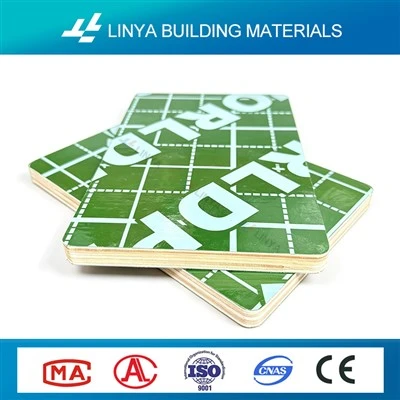
If you’re working on an industrial project right now — whether it’s a warehouse, manufacturing plant, distribution center, or any other big construction job — and you’re tired of formwork that slows you down, wastes money, and leaves you with bad finishes, we can help. We don’t do one-size-fits-all sets, we work with your project’s specific needs to build a custom plastic formwork solution that fits. Hit us up to talk through your project details, get a quote, or ask any questions you have — no sales pitch, just straight talk about what works for your job.
Bamboo Formwork References
- American Concrete Institute. (2021). Performance of Reinforced Plastic Formwork for High-Strength Concrete Pours. ACI Materials Journal.
- Construction Industry Institute. (2022). Cost-Benefit Analysis of Alternative Formwork Systems for Industrial Construction Projects. CII Publication 321-05.
- National Ready Mixed Concrete Association. (2020). Field Test Results of Non-Porous Formwork Materials and Concrete Surface Finish Quality. NRMCA Research Report 20-04.
Shenzhen Linya Building Materials Co., Ltd.
We are one of the most professional plastic formwork manufacturers and suppliers in China, also support customized service. Welcome to buy bulk high quality plastic formwork in stock here from our factory. If you have any enquiry about free sample, please feel free to email us.
Address: Bantian International Center, No.5 Huancheng South Road, Ma’antang Community, Bantian Street, Longgang District, Shenzhen
E-mail: linya@formworksteelprop.com
WebSite: https://www.linyabuildingmaterials.com/
