As a supplier of cryogenic ball valves, I often encounter inquiries from customers about the maximum flow rate these valves can handle. This is a crucial question, as the flow rate directly impacts the efficiency and performance of cryogenic systems. In this blog, I will delve into the factors influencing the maximum flow rate of cryogenic ball valves and provide some insights based on our experience in the industry. Cryogenic Ball Valve
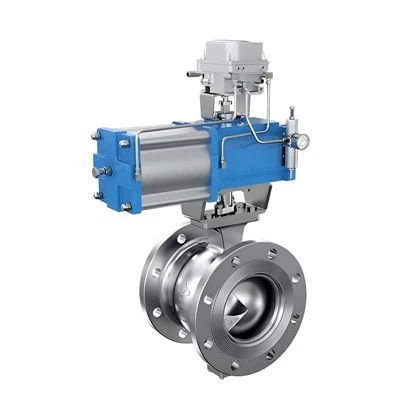
Understanding Cryogenic Ball Valves
Cryogenic ball valves are designed to operate in extremely low-temperature environments, typically below -150°C (-238°F). These valves are used in various applications, such as liquefied natural gas (LNG) processing, air separation plants, and cryogenic storage facilities. The key features of cryogenic ball valves include their ability to withstand low temperatures, tight shut-off, and high flow capacity.
Factors Affecting the Maximum Flow Rate
The maximum flow rate of a cryogenic ball valve is determined by several factors, including the valve size, design, material, and operating conditions. Let’s take a closer look at each of these factors:
Valve Size
The size of the valve is one of the most important factors affecting the flow rate. Generally, larger valves have a higher flow capacity than smaller valves. This is because the cross-sectional area of the valve passage increases with the valve size, allowing more fluid to pass through. However, it’s important to note that the flow rate is not directly proportional to the valve size. Other factors, such as the valve design and operating conditions, also play a significant role.
Valve Design
The design of the cryogenic ball valve can have a significant impact on the flow rate. There are several types of ball valve designs, including full-port and reduced-port valves. Full-port valves have a larger ball and a wider valve passage, which allows for a higher flow rate. Reduced-port valves, on the other hand, have a smaller ball and a narrower valve passage, which reduces the flow rate. In addition to the port size, the shape of the ball and the valve seat can also affect the flow rate. A well-designed ball valve with a smooth flow path and a tight seal can minimize pressure drop and maximize the flow rate.
Valve Material
The material used to manufacture the cryogenic ball valve can also affect the flow rate. Cryogenic ball valves are typically made from materials such as stainless steel, carbon steel, and nickel alloys. These materials are chosen for their ability to withstand low temperatures and corrosive environments. The material properties, such as the density and viscosity of the fluid, can also affect the flow rate. For example, a fluid with a higher viscosity will have a lower flow rate than a fluid with a lower viscosity.
Operating Conditions
The operating conditions, such as the pressure and temperature of the fluid, can also have a significant impact on the flow rate. In general, higher pressures and lower temperatures will result in a higher flow rate. This is because the fluid is more dense and has a lower viscosity at higher pressures and lower temperatures. However, it’s important to note that the flow rate is also limited by the valve’s design and material. If the pressure or temperature exceeds the valve’s rating, the valve may not be able to handle the flow rate, which can result in damage to the valve or the system.
Calculating the Maximum Flow Rate
The maximum flow rate of a cryogenic ball valve can be calculated using the following formula:
Q = Cv * √(ΔP / ρ)
Where:
Q = Flow rate (in gallons per minute or cubic meters per hour)
Cv = Valve flow coefficient
ΔP = Pressure drop across the valve (in pounds per square inch or pascals)
ρ = Fluid density (in pounds per cubic foot or kilograms per cubic meter)
The valve flow coefficient (Cv) is a measure of the valve’s flow capacity. It is determined by the valve’s design, size, and material. The Cv value can be obtained from the valve manufacturer’s catalog or by performing flow tests on the valve.
Real-World Examples
To illustrate the concept of maximum flow rate, let’s consider a real-world example. Suppose we have a cryogenic ball valve with a Cv value of 100 and a pressure drop of 10 psi. The fluid density is 50 lb/ft³. Using the formula above, we can calculate the flow rate as follows:
Q = 100 * √(10 / 50)
Q = 100 * √0.2
Q = 100 * 0.447
Q = 44.7 gpm
This means that the valve can handle a maximum flow rate of 44.7 gallons per minute under the given conditions.
Importance of Choosing the Right Valve
Choosing the right cryogenic ball valve for your application is crucial to ensure optimal performance and efficiency. If the valve is too small, it may not be able to handle the required flow rate, which can result in reduced system performance and increased energy consumption. On the other hand, if the valve is too large, it may be more expensive and may not provide the necessary control over the flow rate.
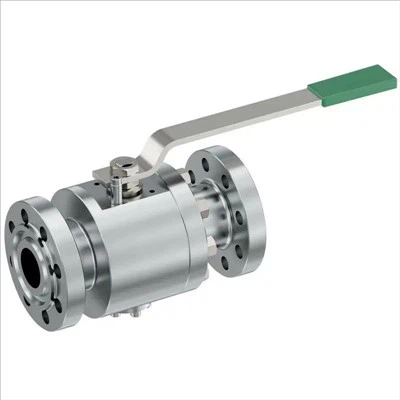
When selecting a cryogenic ball valve, it’s important to consider the following factors:
- Flow rate requirements: Determine the maximum flow rate required for your application and choose a valve with a Cv value that can handle that flow rate.
- Pressure and temperature ratings: Make sure the valve is rated for the pressure and temperature conditions of your application.
- Valve design: Choose a valve design that is suitable for your application, such as a full-port or reduced-port valve.
- Material compatibility: Ensure that the valve material is compatible with the fluid being handled.
Conclusion
Globe Valve In conclusion, the maximum flow rate a cryogenic ball valve can handle is determined by several factors, including the valve size, design, material, and operating conditions. By understanding these factors and using the appropriate formulas, you can calculate the maximum flow rate for your application and choose the right valve for your needs. As a cryogenic ball valve supplier, we have the expertise and experience to help you select the right valve for your application. If you have any questions or need assistance with your cryogenic valve requirements, please feel free to contact us. We look forward to working with you to provide the best solutions for your cryogenic systems.
References
- Crane Technical Paper No. 410, Flow of Fluids Through Valves, Fittings, and Pipe.
- ASME B16.34, Valves – Flanged, Threaded, and Welding End.
- API 6D, Pipeline Valves – Specification for Pipeline Valves.
Wuxi PYNOS Flow-tech Co., Ltd.
As one of the leading cryogenic ball valve manufacturers and suppliers in China, we offer a wide range of products with superior quality. We warmly welcome you to buy high quality cryogenic ball valve made in China here from our factory. We also accept customized orders.
Address: Sales Center: 7th Floor, No.19 Qingyuan RD, Wuxi City, Jiangsu Prov., China
E-mail: Info@pynosvalve.com
WebSite: https://www.pynosvalves.com/
