What is the axis travel range of a vertical machining center? Vertical Machining Center
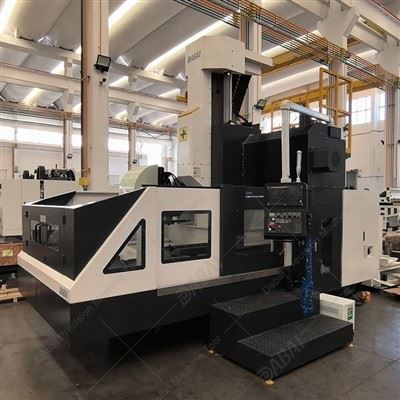
As a supplier of vertical machining centers, I often encounter customers who are curious about the axis travel range of these machines. The axis travel range is a crucial specification that significantly impacts the capabilities and applications of a vertical machining center. In this blog, I’ll delve into what the axis travel range is, why it matters, and how it can influence your machining operations.
Understanding the Axis Travel Range
In a vertical machining center, the axis travel range refers to the maximum distance that each axis can move. Typically, these machines have three primary axes: the X – axis, Y – axis, and Z – axis.
The X – axis usually represents the horizontal movement of the table or the spindle parallel to the front of the machine. It determines how far the workpiece can be moved left or right during the machining process. For example, if a vertical machining center has an X – axis travel range of 1000 mm, it means that the table or spindle can move 1000 mm from one end to the other along the X – direction.
The Y – axis is the horizontal movement perpendicular to the X – axis. It controls the forward and backward movement of the table or the spindle. A larger Y – axis travel range allows for machining larger workpieces in the depth direction. Suppose a machine has a Y – axis travel range of 600 mm. This implies that the workpiece can be moved 600 mm in the Y – direction for processing.
The Z – axis represents the vertical movement of the spindle. It is responsible for controlling the depth of cut during machining. A greater Z – axis travel range enables the machining of deeper cavities or taller workpieces. For instance, if the Z – axis travel range is 500 mm, the spindle can move up and down by 500 mm to perform operations at different depths.
Why the Axis Travel Range Matters
Workpiece Size
The most obvious reason the axis travel range is important is that it determines the maximum size of the workpiece that can be machined on the vertical machining center. If you need to machine large components, you’ll require a machine with a sufficient axis travel range. For example, in the aerospace industry, where large parts such as wing sections are produced, a vertical machining center with a large X, Y, and Z – axis travel range is essential.
Machining Flexibility
A larger axis travel range provides greater flexibility in machining operations. It allows for the machining of complex parts with multiple features. You can perform a wider variety of operations on a single machine without having to move the workpiece to another machine. This not only saves time but also reduces the risk of errors due to re – positioning.
Productivity
The axis travel range can also impact productivity. With a larger travel range, you can machine larger workpieces in one setup, reducing the need for multiple setups and increasing the overall efficiency of the machining process. This is particularly important in high – volume production environments where time is of the essence.
Factors Affecting the Axis Travel Range
Machine Design
The physical design of the vertical machining center plays a significant role in determining the axis travel range. The size of the frame, the length of the guideways, and the stroke of the ball screws all contribute to the maximum distance each axis can move. Manufacturers need to balance the need for a large travel range with the overall stability and rigidity of the machine.
Cost
In general, machines with a larger axis travel range tend to be more expensive. This is because they require larger components, more powerful drives, and more advanced control systems. When considering the axis travel range, you need to weigh the benefits against the cost to ensure that you’re getting the best value for your investment.
Application Requirements
The specific application requirements also influence the choice of axis travel range. If you’re primarily machining small, precision parts, a machine with a smaller travel range may be sufficient. On the other hand, if you’re involved in heavy – duty machining or large – scale production, a machine with a larger travel range will be necessary.
Selecting the Right Axis Travel Range
When selecting a vertical machining center, it’s important to carefully consider your machining needs. Here are some steps to help you choose the right axis travel range:
Analyze Your Workpieces
Take a close look at the size and complexity of the workpieces you typically machine. Measure the maximum dimensions of your parts and ensure that the machine’s axis travel range can accommodate them. If you plan to expand your production capabilities in the future, it may be wise to choose a machine with a slightly larger travel range than your current needs.
Consider Your Machining Operations
Think about the types of machining operations you’ll be performing. If you need to machine deep cavities or perform heavy – duty cutting, you’ll require a machine with a larger Z – axis travel range. If you’re mainly working on flat surfaces, a larger X and Y – axis travel range may be more important.
Evaluate Your Budget
As mentioned earlier, the axis travel range can have a significant impact on the cost of the machine. Set a budget and look for machines that offer the best combination of travel range and features within your price range. Don’t forget to consider the long – term costs, such as maintenance and energy consumption.
Our Vertical Machining Centers and Axis Travel Range
At our company, we offer a wide range of vertical machining centers with different axis travel ranges to meet the diverse needs of our customers. Our machines are designed with precision and reliability in mind, ensuring that you can achieve high – quality machining results.
Whether you’re a small – scale workshop looking for a compact machine with a limited travel range or a large – scale manufacturing facility in need of a high – capacity machine with a large travel range, we have the right solution for you. Our technical team is always available to help you select the most suitable machine based on your specific requirements.
Conclusion
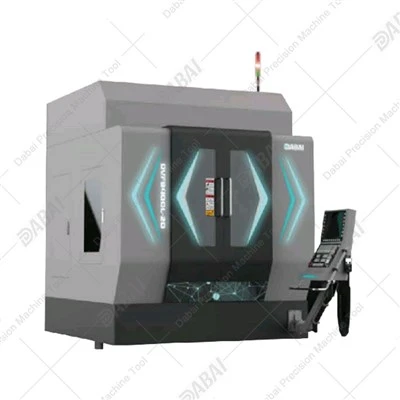
The axis travel range of a vertical machining center is a critical factor that can greatly influence the performance and capabilities of the machine. By understanding what the axis travel range is, why it matters, and how to select the right one for your needs, you can make an informed decision when purchasing a vertical machining center.
CNC Lathe If you’re interested in learning more about our vertical machining centers or have any questions regarding the axis travel range, we encourage you to contact us for a detailed discussion. Our team of experts is ready to assist you in finding the perfect machining solution for your business.
References
- "Manufacturing Engineering and Technology" by Serope Kalpakjian and Steven R. Schmid
- "CNC Machining Handbook" by Mark Reinhart
Dabai Precision Machine Tool (Jiangsu) Co., Ltd.
As one of the most professional vertical machining center manufacturers and suppliers in China, we’re featured by quality products and good price. Please rest assured to buy advanced vertical machining center for sale here from our factory. We also accept customized orders.
Address: No. 66-1, Zhenhu North Road, Hudai Town, Binhu District, Wuxi City
E-mail: elaine@dabaicnc.com
WebSite: https://www.cnc-dabai.com/
