When it comes to the food processing industry, the compatibility of a food processing machine with different ingredients stands as a crucial factor for businesses aiming to streamline operations, improve product quality, and expand their market offerings. As a seasoned supplier of food processing machines, I’ve witnessed firsthand how the right equipment can transform food production processes, enabling businesses to handle a diverse range of ingredients efficiently and effectively. Food Processing Machine

Understanding Compatibility in Food Processing
The concept of compatibility in food processing refers to the machine’s ability to handle various ingredients without compromising quality, safety, or efficiency. This involves several key aspects, including physical properties, chemical characteristics, and processing requirements.
Physical Properties
The physical properties of ingredients, such as size, shape, texture, and density, significantly impact machine compatibility. For instance, a machine designed to process large, solid fruits may struggle with small, granular ingredients. Blenders and mixers need to be adjusted according to the viscosity of liquids or the firmness of solids. A high – speed blender ideal for pureeing soft fruits might not be suitable for crushing ice or grinding nuts without the right blade and power settings.
Chemical Characteristics
Chemical properties like acidity, alkalinity, and moisture content also play a vital role. Certain machines may be susceptible to corrosion when in contact with acidic ingredients, such as lemon juice or vinegar. Moisture – rich ingredients can cause clogging or affect the machine’s electrical components in some cases. For example, a dehydrator needs to be carefully calibrated for different moisture – content levels in ingredients like herbs, meats, or fruits to ensure proper drying and prevent spoilage.
Processing Requirements
Different ingredients have unique processing requirements, such as temperature, pressure, and processing time. Baking machines need to maintain precise temperatures for various dough types, from delicate pastries to hearty bread loaves. Deep – frying equipment must regulate oil temperature accurately to cook different foods, like French fries and chicken wings, to perfection.
The Importance of Compatibility
Product Quality
Ensuring compatibility between the food processing machine and ingredients is fundamental for maintaining product quality. When a machine is well – matched with the ingredients, it can perform its functions optimally, resulting in consistent texture, flavor, and appearance. For example, a well – calibrated meat grinder can produce evenly ground meat, which is essential for making high – quality sausages. In contrast, using the wrong grinder may lead to uneven particle sizes, affecting the taste and texture of the final product.
Efficiency
Compatibility also enhances production efficiency. A machine that is compatible with a wide range of ingredients can reduce the need for frequent equipment changes or adjustments. This saves time and labor costs, allowing businesses to increase their production output. For instance, a multi – function food processor can be used for chopping, slicing, and pureeing different vegetables and fruits, eliminating the need for multiple single – function machines.
Cost – Effectiveness
Investing in a food processing machine with high compatibility can be more cost – effective in the long run. A versatile machine can handle different ingredients, reducing the need to purchase multiple specialized machines. Additionally, it minimizes the risk of equipment breakdowns caused by improper use with incompatible ingredients, saving on maintenance and replacement costs.
Factors Affecting Compatibility
Machine Design
The design of the food processing machine plays a pivotal role in its compatibility. Machines with adjustable settings, such as speed, temperature, and pressure, can adapt to different ingredients better. For example, a modern juice extractor may have different speed settings for soft fruits like oranges and hard fruits like apples, ensuring maximum juice extraction without compromising quality.
Material of Construction
The material used in the construction of the machine is also important. Food – grade materials are essential to ensure the safety of the processed food. Stainless steel is a popular choice due to its corrosion resistance, durability, and ease of cleaning. However, for some acidic ingredients, additional coatings or treatments may be required to prevent corrosion.
Maintenance and Cleaning
Regular maintenance and proper cleaning are crucial for maintaining machine compatibility. Residues from previous ingredients can affect the performance of the machine and contaminate subsequent batches. For example, a spice grinder needs to be thoroughly cleaned after each use to prevent cross – contamination of flavors.
Assessing Compatibility for Different Ingredients
Fruits and Vegetables
Fruits and vegetables come in a wide variety of sizes, shapes, and textures. For slicing and dicing, a sharp – blade cutter with adjustable thickness settings is essential. When it comes to juicing, a machine with a good pulp – separating mechanism is crucial for clear juice production. For canning, pressure cookers need to be adjusted according to the acidity and density of the fruits and vegetables.
Meats and Poultry
Meat processing requires machines that can handle different cuts and textures. A meat slicer should be able to slice thinly and evenly, while a meat grinder needs to have the right blade design for efficient grinding. For marinating, a tumbler can ensure that the meat is evenly coated with the marinade.
Grains and Cereals
Grains and cereals need specialized processing. Milling machines need to be adjusted according to the type of grain and the desired fineness of the flour. Extruders can process grains into various shapes and textures, but they require careful calibration of temperature and pressure.
Our Solutions as a Food Processing Machine Supplier
As a food processing machine supplier, we are committed to providing our customers with machines that offer high compatibility with different ingredients.
Customizable Machines
We offer a range of customizable food processing machines. Our engineers work closely with customers to understand their specific ingredient requirements and customize machines accordingly. For example, we can adjust the blade type, speed settings, and temperature controls of our mixers and grinders to suit different food products.
High – Quality Materials
All our machines are constructed using high – quality, food – grade materials. Our stainless – steel machines are not only durable but also resistant to corrosion, making them suitable for a wide range of ingredients, including acidic and moist foods.
Training and Support
We provide comprehensive training and support to our customers. Our technicians can teach operators how to adjust the machines for different ingredients, perform routine maintenance, and troubleshoot common problems. This ensures that our customers can use our machines to their full potential, achieving optimal results with various ingredients.
Conclusion
In the ever – evolving food processing industry, the compatibility of food processing machines with different ingredients is a key determinant of success. By understanding the physical and chemical properties of ingredients, as well as their processing requirements, businesses can select the right machines to improve product quality, increase efficiency, and reduce costs.
As a trusted food processing machine supplier, we are dedicated to helping our customers navigate the complexities of ingredient compatibility. Our innovative and customizable solutions, combined with high – quality materials and excellent customer support, make us the ideal partner for businesses looking to enhance their food processing capabilities.
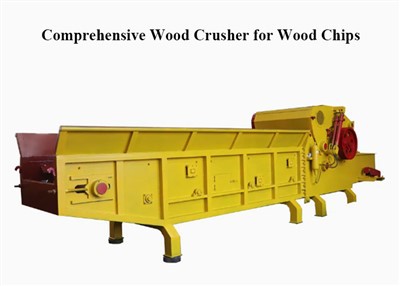
Wood Chipper If you are interested in learning more about our food processing machines and how they can be tailored to your specific ingredient needs, we invite you to contact us for a detailed discussion and procurement negotiation. Let’s work together to take your food processing business to the next level.
References
- Heldman, D. R., & Lund, D. B. (Eds.). (2018). Handbook of Food Engineering. CRC Press.
- Brennan, J. G., Butters, J. R., Cowell, N. D., & Lilley, A. E. V. (2012). Food Engineering Operations. Elsevier.
- Singh, R. P., & Heldman, D. R. (2014). Introduction to Food Engineering. Academic Press.
Zhengzhou Fanda Machinery Co., Ltd.
Zhengzhou Fanda Machinery Co., Ltd. is one of the most professional food processing machine manufacturers and suppliers in China. Feel free to buy cheap food processing machine for sale from our factory and check the price with us.
Address: Zhisi Road, Zhongyuan District, Zhengzhou, Henan, China.
E-mail: vincenthan@fandamachinery.com
WebSite: https://www.fandapelletmill.com/
