Hey there, garden enthusiasts! I’m a supplier of plastic garden netting, and I’ve been in this business for quite a while. One question that comes up pretty often from my customers is, “What is the breaking point of plastic garden netting?” Well, let’s dive right into this topic and find out. Plastic Garden Netting
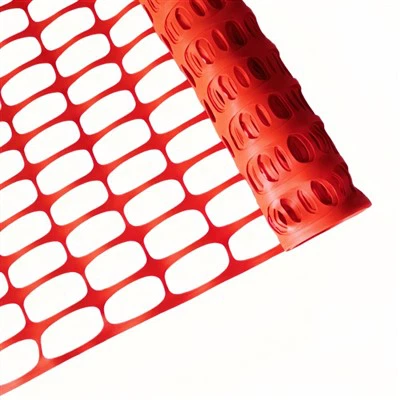
First things first, you gotta understand that the breaking point of plastic garden netting isn’t a one – size – fits – all kind of deal. It depends on a whole bunch of factors. The material of the netting is a biggie. There are different types of plastics used in making these nets, like polyethylene, polypropylene, and PVC.
Polyethylene is one of the most common materials. It’s known for being tough and having a good resistance to sunlight, moisture, and chemicals. But even within polyethylene, there are different grades. High – density polyethylene (HDPE) is stronger than low – density polyethylene (LDPE). If you’re using a net made of HDPE, it can generally handle more stress before it breaks. For example, it might be able to withstand a heavier load of climbing plants or a stronger gust of wind compared to an LDPE net.
Polypropylene is another option. It’s lightweight and has a high melting point, which is great in warmer climates. However, it’s not as UV – resistant as polyethylene. So, if your net is made of polypropylene and it’s constantly exposed to the sun, its breaking point will probably decrease over time as the UV rays gradually weaken the material.
PVC garden netting is also available. It’s very durable and can resist pretty harsh chemicals, which makes it a good choice for gardens where you use a lot of pesticides or fertilizers. But it can be a bit more rigid than the other two, and if you try to stretch it too much, it might crack or break more easily.
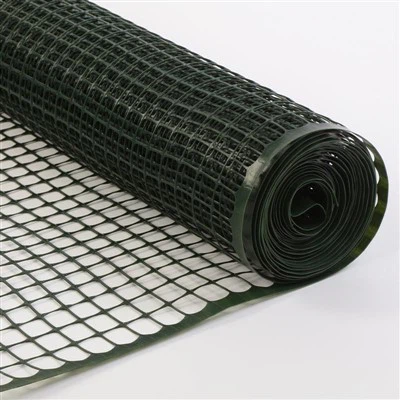
The design and construction of the netting also play a huge role. Nets with a tighter mesh are usually stronger. A fine – meshed net can distribute the stress more evenly across the entire surface. Let’s say you’re using the net to support a heavy tomato plant. A tightly woven net will hold the plant better because the weight is spread out. On the other hand, a net with a large – mesh size might be more suitable for things like protecting your garden from birds. But if you put too much weight on it, the individual strands are more likely to break because they have to bear more stress on their own.
The thickness of the strands in the netting matters too. Thicker strands generally mean a higher breaking point. A net with thick strands can handle more force before it snaps. For instance, if you live in an area with strong winds, a net with thick strands will be more likely to stay intact. But thicker nets can also be more expensive and less flexible.
Now, let’s talk about the environmental factors. Sunlight is a major enemy of plastic garden netting. UV rays can break down the chemical bonds in the plastic, making it brittle over time. If your net is constantly in direct sunlight without any protection, it’s going to lose its strength much faster. You can see this in old netting that has turned yellow and is starting to crack.
Temperature is another factor. In very cold weather, plastic becomes more rigid and less flexible. This means that it can break more easily under stress. For example, if you have a net that’s supporting some plants during the winter and there’s a sudden freeze, the cold can make the net more likely to snap if there’s any pressure on it. On the other hand, in extremely hot weather, plastic can become soft and stretchy. If it stretches too much, it might reach its breaking point.
Moisture can also affect the netting. If the plastic is constantly wet, it can lead to mold and mildew growth. These not only look bad but can also weaken the structure of the net. Also, if water freezes inside the net’s pores in cold weather, it can cause the net to expand and crack.
So, how can you tell if your plastic garden netting is close to its breaking point? Well, there are a few signs. If you notice the net has a lot of visible cracks or holes, it’s definitely in trouble. A net that’s lost its elasticity and is becoming very rigid is also a red flag. And if you try to gently tug on the net and it starts to tear or break easily, it’s time for a replacement.
As a supplier, I always recommend choosing the right netting for your specific needs. If you’re in a sunny area, go for a net with good UV protection. If you’re dealing with heavy plants, a net with thick strands and a tight mesh is a better option.
Now, I want to stress that taking good care of your plastic garden netting can significantly increase its lifespan and delay its breaking point. You can clean the net regularly to remove dirt, debris, and any chemicals that might be weakening it. When you’re not using it, store it in a cool, dry place away from direct sunlight.
In conclusion, the breaking point of plastic garden netting is influenced by many factors, including the material, design, and environmental conditions. By understanding these factors and choosing the right netting for your garden, you can make sure your net lasts as long as possible.
If you’re in the market for high – quality plastic garden netting, I’d love to talk to you. Whether you’re a small – scale home gardener or a large – scale commercial grower, I’ve got the right netting solutions for you. Just reach out, and we can have a chat about your specific requirements and find the best netting for your garden.
Snow Fence References
- “Plastics in the Garden: A Comprehensive Guide” by Gardening Weekly Press
- “The Science of Plastic Materials in Agriculture” by Agricultural Sciences Journal
- “Environmental Effects on Plastic Products” by Material Science Quarterly
Shaoxing Yongte Plastics Co., Ltd.
We are one of the most reliable plastic garden netting manufacturers and suppliers in China, specialized in providing high quality customized products. We warmly welcome you to wholesale discount plastic garden netting for sale here from our factory. Contact us for pricelist and free sample.
Address: INDUSTRIAL PARK, LIZHU TOWN, KEQIAO DISTRICT, SHAOXING CITY, ZHEJIANG PROVINCE
E-mail: support@sxxyongte.com.cn
WebSite: https://www.fenceplastic.com/
