So, you’re probably wondering, what’s the average lifespan of a BLS ambulance? Well, I’m here to break it down for you. I run a BLS ambulance supply business, and I’ve seen my fair share of these vehicles come and go over the years. BLS Ambulance
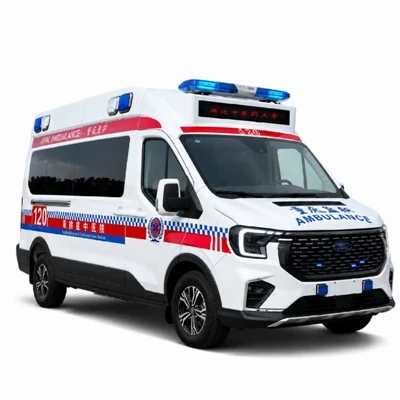
First off, let’s talk about what a BLS ambulance is. BLS stands for Basic Life Support. These ambulances are the workhorses of the emergency medical world. They’re equipped with the essentials to provide basic medical care on the way to the hospital. Things like oxygen, stretchers, and basic monitoring equipment. They’re not as high – tech as ALS (Advanced Life Support) ambulances, but they’re crucial for getting patients to the hospital quickly and safely.
Now, getting back to the question of lifespan. There’s no one – size – fits – all answer, but on average, a BLS ambulance can last anywhere from 10 to 15 years. But that’s a pretty big range, right? So, let’s dig into the factors that can affect how long an ambulance will last.
One of the biggest factors is how often the ambulance is used. If it’s an ambulance in a busy urban area, it’s going to be out on the road a lot. It might respond to 2 – 3 calls a day or more. All that driving, starting, and stopping can really take a toll on the engine, transmission, and other mechanical parts. On the other hand, an ambulance in a rural area might only get a few calls a week. That extra rest time can really extend the life of the vehicle.
Maintenance also plays a huge role. Just like any vehicle, regular maintenance is key. Ambulances need oil changes, tire rotations, and brake checks on a regular basis. But because they’re used in emergency situations, they also need more specialized maintenance. The medical equipment inside needs to be checked and calibrated regularly to make sure it’s working properly. And the body of the ambulance needs to be inspected for any signs of wear and tear, especially if it’s been exposed to harsh weather conditions or rough roads.
Driving conditions are another factor. Ambulances that are constantly driving on rough roads, like those in areas with a lot of construction or unpaved roads, are going to experience more wear and tear on the suspension and tires. And if they’re driving in extreme weather conditions, like very hot or cold climates, it can also affect the vehicle’s performance. For example, in very cold weather, the battery might not work as well, and in very hot weather, the engine might overheat more easily.
The quality of the ambulance when it’s first purchased also matters. Some manufacturers are known for making high – quality, durable ambulances. These ambulances are built with better materials and more advanced engineering, which can mean they last longer. When we supply ambulances, we always make sure to work with reliable manufacturers who have a good reputation for quality.
Let’s talk a bit about the different stages of an ambulance’s life. In the first few years, it’s like a brand – new car. It’s running smoothly, and there aren’t many problems. But as it gets older, say around 5 – 7 years, you might start to see some minor issues. Maybe the engine starts to make a little more noise, or the HVAC system isn’t working as well. These are usually small problems that can be fixed with some routine maintenance.
As the ambulance hits the 10 – year mark and beyond, the problems start to get more serious. You might start to have major engine or transmission issues. The medical equipment might also start to become obsolete, as new technologies are being developed all the time. At this point, the cost of repairs might start to outweigh the value of the ambulance.
Now, you might be thinking, "What happens to an ambulance when it reaches the end of its lifespan?" Well, there are a few things that can happen. Some ambulances are sold for scrap. The metal and other valuable parts are recycled. Others might be sold to some less – well – funded emergency services in other areas, where they can still be used for a while longer, even if they’re not in perfect condition.
So, why does all of this matter to you? If you’re in the market for a BLS ambulance, understanding the lifespan can help you make a better decision. You don’t want to buy an ambulance that’s already near the end of its life and is going to cost you a fortune in repairs. On the other hand, if you’re looking for a more budget – friendly option, you might be able to find a slightly older ambulance that still has a few good years left in it, as long as you’re aware of the potential maintenance costs.
At our company, we take all these factors into account when we’re supplying ambulances. We work with you to understand your needs, your budget, and the expected usage of the ambulance. We can help you choose an ambulance that’s going to last for as long as possible, based on your specific situation.

If you’re interested in learning more about our BLS ambulances or have any questions about their lifespan, don’t hesitate to reach out. We’re here to help you make the best decision for your emergency medical service. Whether you’re a small rural ambulance service or a large urban one, we’ve got the expertise and the products to meet your needs.
Medical Vehicle References:
- Emergency Medical Services Industry Reports
- Manufacturer’s specifications and maintenance guidelines for BLS ambulances
- Interviews with experienced ambulance technicians and operators
Hubei Ruitu Technology Co., Ltd.
Hubei Ruitu Technology Co., Ltd. is one of the most experienced bls ambulance manufacturers and suppliers in China, also supports customized service and OEM service. Welcome to buy advanced bls ambulance made in China here and get pricelist from our factory. Also, 1 year warranty is available.
Address: Xingguang Road, Zengdu District, Suizhou City, Hubei Province
E-mail: Sales@ritumax.com
WebSite: https://www.ruitumotors.com/
