A processing machine is a cornerstone of various industries, from manufacturing to food production. As a processing machine supplier, I’ve witnessed firsthand the importance of a seamless installation process. In this blog, I’ll walk you through the installation journey of a processing machine, sharing insights from my years of experience in the field. Processing Machine
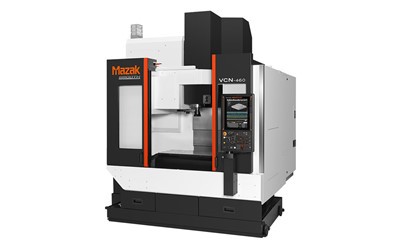
Pre – installation Preparations
Before the actual installation of a processing machine can begin, a series of meticulous preparations must be carried out. The first step is site assessment. This involves a thorough examination of the location where the machine will be placed. The floor needs to be strong enough to support the weight of the machine. A machine with heavy components and high – speed operations may exert significant stress on the floor. For example, a large – scale metal processing machine can weigh several tons. If the floor is not properly reinforced, it can lead to uneven settling of the machine, which in turn affects its performance and can even cause structural damage in the long run.
The space dimensions are equally crucial. The area should be large enough to allow for easy access around the machine. This includes space for operators to perform routine tasks, maintenance staff to carry out inspections and repairs, and sufficient room for material handling equipment such as forklifts. Adequate ventilation is also a must. Many processing machines generate a substantial amount of heat during operation. In the case of industrial plastic extruders, the heating elements involved in melting the plastic can cause the machine to become extremely hot. Poor ventilation can lead to overheating, which not only shortens the lifespan of the machine but also increases the risk of fire.
Another essential aspect of pre – installation is power supply assessment. Different processing machines have diverse power requirements. Some may operate on low – voltage electricity, while others, like high – power industrial cutters, may need a three – phase power supply. Incorrect power supply can lead to erratic machine performance, electrical damage, and even pose a safety hazard. It’s necessary to work with a qualified electrician to ensure that the power supply at the installation site meets the machine’s specifications.
Machine Delivery and Unloading
Once the site is ready, the processing machine will be delivered. During the shipping process, the machine is carefully packed to prevent damage. However, upon arrival, a detailed inspection should be conducted. This involves checking for any visible signs of damage during transit, such as scratches, dents, or loose parts. If any damage is found, it should be documented immediately and reported to the shipping company.
Unloading the machine is a delicate process. Heavy – duty cranes or forklifts are often used to lift and move the machine from the transport vehicle to the installation site. It’s crucial to follow proper safety procedures during this process. The lifting equipment should be in good working condition, and the operators should be well – trained. The machine should be lifted and moved slowly and steadily to avoid sudden jolts that can cause internal damage.
Assembly and Positioning
For many processing machines, they may be delivered in parts and need to be assembled on – site. Assembly work requires highly skilled technicians who are familiar with the machine’s structure and components. They will follow the detailed assembly instructions provided by the manufacturer. Each part needs to be carefully installed in the correct position and properly tightened. Loose connections can lead to vibrations during operation, which can affect the accuracy of the machine’s processing and reduce its service life.
After assembly, the machine needs to be accurately positioned. This involves using leveling tools to ensure that the machine is perfectly horizontal. A misaligned machine can cause uneven wear on its components, affect the quality of the processed products, and even lead to machine failure. Once the machine is leveled, it may need to be fixed to the floor using bolts or other anchoring methods to prevent movement during operation.
Electrical and Pneumatic Connections
Electrical and pneumatic connections are among the most critical steps in the installation process. For electrical connections, as I mentioned earlier, a professional electrician should be involved. All the electrical wires should be connected according to the wiring diagrams provided by the manufacturer. This includes connecting the power cables, control circuits, and sensors. Incorrect wiring can lead to short – circuits, electrical malfunctions, or safety hazards.
Pneumatic systems, which are commonly used in processing machines for functions such as actuating valves and powering certain components, also need to be correctly installed. The air pipes should be leak – free, and the pressure regulators should be set at the appropriate values. Any leaks in the pneumatic system can result in reduced efficiency of the machine and may cause it to malfunction.
Testing and Calibration
After all the physical and electrical connections are made, the machine is ready for testing and calibration. The initial test is usually a power – on test to check if all the electrical components are working properly. During this process, the machine’s control panel should display the correct readings, and the basic functions such as starting, stopping, and emergency shutdown should be tested to ensure they work as expected.
Function testing involves running the machine through a series of standard operating cycles. For example, if it’s a food processing machine, it may be tested by processing a small batch of sample products. This allows technicians to check if the machine can perform its intended functions accurately. Any issues, such as incorrect cutting dimensions or inconsistent mixing, should be identified and addressed at this stage.
Calibration is the process of adjusting the machine to ensure its accuracy and precision. This may involve adjusting the speed, pressure, temperature, or other parameters. For a machining center, the accuracy of the tool head movement needs to be calibrated to ensure that the machined parts meet the required tolerances. Calibration is usually carried out using specialized measuring tools and following the manufacturer’s calibration procedures.
Operator Training
The installation process is not complete until the operators are properly trained. As a processing machine supplier, we provide comprehensive operator training programs. These programs cover various aspects, including machine operation, daily maintenance, safety procedures, and troubleshooting.
During the operation training, operators learn how to use the machine’s control panel, select the appropriate processing modes, and load and unload materials correctly. They are also taught about the machine’s safety features, such as emergency stop buttons, safety guards, and warning signals, and why it’s crucial to follow the safety regulations at all times.
Maintenance training is equally important. Operators are trained on how to perform routine maintenance tasks, such as cleaning, lubricating, and checking the machine’s components. By performing regular maintenance, operators can prevent potential problems and extend the machine’s service life. Troubleshooting training equips operators with the skills to identify and solve common problems that may occur during the machine’s operation.
Post – installation Support
Even after the machine is installed and the operators are trained, our support doesn’t end. We offer ongoing post – installation support to ensure the smooth operation of the machine. This includes providing technical advice over the phone or via email. If a problem cannot be resolved remotely, we can dispatch our technicians to the site for on – site repairs.
We also keep in touch with our customers to collect feedback on the machine’s performance. Based on this feedback, we can continuously improve our products and services. In addition, we provide regular software updates for machines with digital control systems to enhance their functionality and performance.
Conclusion

The installation process of a processing machine is a complex and multi – step procedure that requires careful planning, professional skills, and attention to detail. From pre – installation preparations to post – installation support, every stage is crucial to ensure the machine can operate efficiently and safely.
Vertical Machining Centers If you’re in the market for a processing machine and are interested in learning more about our products or the installation process, we’d love to have a conversation with you. Contact us to start a procurement discussion, and let’s explore how our processing machines can meet your industrial needs.
References
- "Industrial Machine Installation Handbook"
- "Processing Machine Technology and Maintenance Guide"
- Manufacturer’s installation manuals for various processing machines
Hermens Industrial Co., Ltd.
As one of the most professional processing machine enterprises in China, we’re featured by quality products and low price. Please rest assured to buy cheap processing machine in stock here and get quotation from our factory. We also accept customized orders.
Address: 9/59 Moo 14, Rachathewa , Bang Phli , Samut Prakan Province 10540
E-mail: liu_jincheng@hzhemen.com
WebSite: https://www.hermensindustrial.com/
