Hey there! As a supplier of general laboratory equipment, I’ve seen firsthand how modern technology has transformed the features of these essential tools. In this blog post, I’ll share some of the cool software features that are making a big difference in today’s labs. General Laboratory Equipment
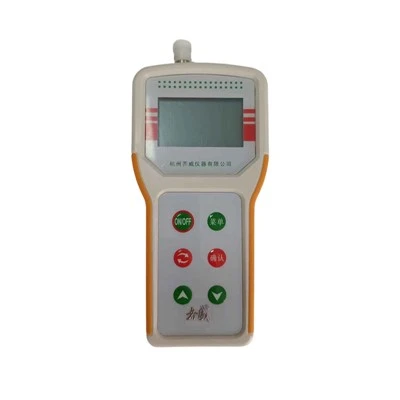
User – friendly Interfaces
One of the most important software features of modern laboratory equipment is a user – friendly interface. Gone are the days when you needed a degree in computer science just to operate a piece of lab gear. Nowadays, manufacturers understand that scientists and lab technicians are busy people who need to get their work done efficiently.
For example, many of the centrifuges we supply come with touch – screen interfaces. You can simply tap on the screen to set the speed, time, and temperature. These interfaces are intuitive, much like the ones on your smartphone. There’s a large font and clear icons, so even if you’re in a hurry or your hands are a bit dirty from an experiment, it’s easy to make the right settings.
This simplicity is a game – changer. It means that new employees can quickly learn to use the equipment, which reduces training time and potential errors. And for experienced users, it streamlines the process, letting them focus on the actual science rather than struggling with the machine.
Connectivity and Data Transfer
In today’s digital age, connectivity is key. Modern general laboratory equipment often comes with built – in Wi – Fi or Ethernet capabilities. This allows the device to connect to a local network or even the internet.
Let’s take a look at spectrophotometers. These devices can now wirelessly send their data directly to a computer or a cloud – based storage system. Instead of manually writing down the absorbance values or using a USB drive to transfer the data, it’s all done automatically. This not only saves time but also reduces the risk of data entry errors.
Moreover, the data can be accessed from multiple devices. You can check the results of an experiment on your office computer, your tablet, or even your phone. This kind of flexibility is great for scientists who are always on the go or need to collaborate with colleagues in different locations.
Software Updates
Another awesome feature is the ability to receive software updates. Just like your smartphone, laboratory equipment can get better over time with new features and bug fixes.
When a new software version is available for, say, a pH meter, you can usually download and install it directly to the device. This might add new measurement modes, improve the accuracy of the readings, or enhance the overall performance.
Manufacturers are constantly working on improving their products, and these updates ensure that your equipment stays up – to – date. It’s a cost – effective way to keep your lab running smoothly without having to buy new equipment every few years.
Automation and Programming
Automation is a huge trend in modern laboratories, and software plays a big role in this. Many of our instruments, like pipetting robots, can be programmed to perform a series of tasks automatically.
Let’s say you need to do a serial dilution for a cell culture experiment. Instead of manually pipetting each dilution step, you can program the pipetting robot to do it for you. You just need to enter the volumes, the number of wells, and any other relevant parameters, and the robot will carry out the process precisely and consistently.
This not only saves time but also reduces the variation that can occur with manual pipetting. It’s especially useful for large – scale experiments where you need to perform the same task dozens or even hundreds of times.
Data Analysis and Reporting
Modern laboratory equipment also comes with software that can help with data analysis and reporting. For example, our chromatography systems have built – in software that can analyze the peaks in a chromatogram, calculate retention times, and generate detailed reports.
You don’t have to be an expert in chromatography data analysis to use this software. It has pre – set templates and algorithms that make it easy to interpret the results. And when it comes to reporting, you can export the data in various formats, such as PDF or Excel, which can be shared with colleagues or included in research papers.
This feature is a real time – saver. Instead of spending hours manually analyzing data and creating reports, the software does it quickly and accurately, allowing you to focus on the scientific interpretation of the results.
Customization
Every lab has different needs, and modern software for laboratory equipment often allows for a high degree of customization. You can customize the settings of an instrument to fit your specific experimental requirements.
For example, a thermal cycler can be customized to have different temperature profiles for polymerase chain reaction (PCR) experiments. You can set the ramp rates, the hold times, and the number of cycles according to your protocol.
This flexibility is essential for research labs that are constantly developing new experiments or working on unique projects. It ensures that the equipment can adapt to your changing needs, rather than you having to adapt your experiments to fit the limitations of the equipment.
Security Features
With the increasing amount of data being stored and transferred on laboratory equipment, security has become a major concern. That’s why many modern devices come with robust security features.
For example, access to the instrument’s software can be password – protected. Only authorized personnel can log in and make changes to the settings or access the data. In addition, data encryption is often used to protect the information stored on the device or transmitted over the network.
These security features are crucial to protect sensitive research data, especially in labs that are working on confidential projects or handling patient – related information.
Support and Training Resources
Most manufacturers of modern laboratory equipment provide excellent software support and training resources. Along with the physical device, you’ll usually get access to an online knowledge base, video tutorials, and even live support.
Let’s say you’re having trouble with a new software feature on your laboratory balance. You can go to the manufacturer’s website, search for the relevant topic in the knowledge base, and find step – by – step instructions or troubleshooting tips. There might also be video tutorials that show you exactly how to use the feature correctly.
And if you still can’t solve the problem, you can reach out to the manufacturer’s support team. They can help you remotely or schedule an on – site visit if needed.
In conclusion, the software features of modern general laboratory equipment are making labs more efficient, accurate, and flexible. Whether it’s through user – friendly interfaces, connectivity, automation, or data analysis, these features are revolutionizing the way scientists work.
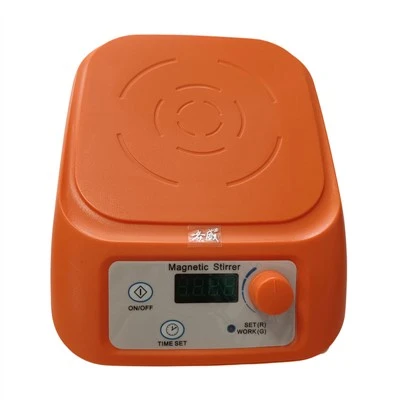
If you’re interested in upgrading your lab equipment or exploring the latest software features, I’d love to have a chat. We can discuss how our products can meet your specific needs and help you take your research to the next level. Get in touch with us to start a conversation about purchasing the best general laboratory equipment for your lab.
Shaker References
- Manufacturer manuals of various general laboratory equipment
- Industry whitepapers on the development of laboratory software features
- Scientific research articles on the impact of modern technology in laboratories
Hangzhou Qiwei Instrument Co., Ltd.
Hangzhou Qiwei Instrument Co., Ltd. is one of the most reliable manufacturers and suppliers of general laboratory equipment in China, featured by quality products and good service. Please rest assured to buy bulk durable general laboratory equipment in stock here from our factory. We also accept customized orders.
Address: Room 101, Building 25, No. 488-1, Donghu North Road, Linping District, Hangzhou City, Zhejiang Province, China
E-mail: info@qiweilab.com
WebSite: https://www.qiweilab.com/
