As a provider in the Rigid Flex PCB manufacturing industry, I’ve had the privilege of witnessing firsthand the remarkable evolution and growing demand for these versatile circuit boards. One of the many crucial aspects that clients often inquire about is the wear resistance of Rigid Flex PCBs. In this blog, I’ll delve into what wear resistance means in the context of Rigid Flex PCBs, the factors that influence it, its significance in various applications, and how our products stand out in this regard. Rigid Flex PCB
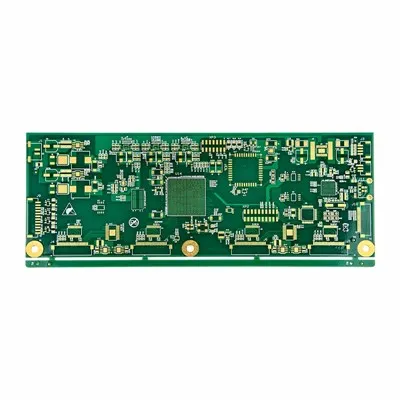
Understanding Wear Resistance in Rigid Flex PCBs
Wear resistance refers to a material’s ability to withstand the effects of friction, abrasion, and mechanical stress without significant degradation. In the case of Rigid Flex PCBs, wear resistance is a measure of how well the circuit board can maintain its integrity and functionality when subjected to repeated bending, folding, flexing, or contact with other components.
Rigid Flex PCBs are designed to combine the benefits of rigid and flexible printed circuit boards. They consist of rigid sections that provide structural support and stability for components, and flexible sections that allow for multiple bending and folding configurations. This unique design makes them ideal for applications where space is limited or where dynamic motion is required, such as in smartphones, smartwatches, medical devices, aerospace systems, and automotive electronics.
However, the ability of Rigid Flex PCBs to endure repeated mechanical stress is critical. Over time, excessive wear can lead to a variety of problems, including the cracking of the conductive traces, delamination of the layers, and failure of the solder joints. These issues can result in a loss of electrical connectivity, reduced performance, and ultimately, the failure of the entire system.
Factors Affecting Wear Resistance
Several factors contribute to the wear resistance of Rigid Flex PCBs. Understanding these factors is essential for manufacturers to produce high-quality, durable boards that meet the specific requirements of their clients.
Material Selection
The choice of materials is perhaps the most significant factor in determining the wear resistance of Rigid Flex PCBs. The base materials used for the rigid and flexible sections, as well as the conductive materials and the protective coatings, all play a role in the board’s ability to withstand wear and tear.
For the flexible sections, polyimide (PI) is a commonly used material due to its excellent flexibility, heat resistance, and chemical stability. PI films can endure repeated bending and folding without significant cracking or loss of electrical properties. In addition, the thickness of the PI film can also affect wear resistance; thicker films tend to be more resistant to wear but may reduce the overall flexibility of the board.
The conductive materials, usually copper, need to have good ductility and high conductivity to ensure stable electrical performance under mechanical stress. Advanced copper foils with improved grain structure and surface treatments can enhance the wear resistance of the conductive traces, reducing the risk of cracking and breaking during flexing.
Protective coatings, such as coverlays and soldermasks, are also crucial for protecting the conductive traces and preventing oxidation and physical damage. These coatings should have good adhesion, flexibility, and abrasion resistance to ensure long-term protection of the board.
Design Considerations
The design of the Rigid Flex PCB can significantly impact its wear resistance. Factors such as the bending radius, the number of bends, and the layout of the conductive traces all need to be carefully considered during the design phase.
A smaller bending radius subjects the board to higher stress, increasing the likelihood of wear and failure. Therefore, it’s important to specify an appropriate bending radius based on the application requirements and the material properties. In general, a larger bending radius is preferred to minimize stress on the board.
The number of bends and the frequency of bending also affect wear resistance. For applications that require frequent bending, such as in a foldable smartphone, the design should be optimized to distribute the stress evenly across the flexible sections. This can be achieved through techniques such as serpentine routing, which allows the conductive traces to stretch and contract without breaking during bending.
The layout of the conductive traces is another important design consideration. Traces that are too close together or are located in areas of high stress are more likely to experience wear and failure. By optimizing the trace layout and spacing, the risk of short circuits and open circuits due to wear can be reduced.
Manufacturing Processes
The manufacturing processes used to produce Rigid Flex PCBs can also have a significant impact on their wear resistance. Processes such as drilling, plating, and lamination need to be carefully controlled to ensure the quality and integrity of the board.
During drilling, if the holes are not properly aligned or if the drill bit is too worn, it can cause damage to the conductive traces and the base materials, reducing the wear resistance of the board. Plating processes need to be optimized to ensure uniform thickness and good adhesion of the copper layers, which is essential for maintaining electrical conductivity and mechanical strength.
Lamination is a critical process that bonds the rigid and flexible sections together. If the lamination is not done correctly, it can lead to delamination, which can significantly reduce the wear resistance of the board. Therefore, it’s important to use high-quality laminating materials and to follow strict process controls to ensure a strong and reliable bond between the layers.
Importance of Wear Resistance in Different Applications
The wear resistance of Rigid Flex PCBs is of utmost importance in a wide range of applications. Here are some examples of how wear resistance is critical in different industries:
Consumer Electronics
In consumer electronics such as smartphones, tablets, and smartwatches, Rigid Flex PCBs are used to connect various components and to enable flexible and compact designs. These devices are often subjected to frequent bending, folding, and handling, which can cause wear and tear on the circuit boards. A high level of wear resistance is essential to ensure the long-term reliability and performance of these devices.
Medical Devices
Medical devices such as hearing aids, pacemakers, and endoscopic cameras require Rigid Flex PCBs that can withstand repeated bending and flexing during use. These devices are often implanted in the human body or used in critical medical procedures, so the wear resistance of the circuit boards is crucial for patient safety and device functionality.
Aerospace and Defense
In the aerospace and defense industries, Rigid Flex PCBs are used in applications such as avionics systems, radar systems, and unmanned aerial vehicles (UAVs). These applications require circuit boards that can withstand extreme environmental conditions, high levels of vibration, and frequent mechanical stress. The wear resistance of Rigid Flex PCBs is essential to ensure the reliable operation of these systems in harsh environments.
Automotive Electronics
In the automotive industry, Rigid Flex PCBs are used in various applications such as infotainment systems, driver assistance systems, and engine control units. These applications require circuit boards that can withstand the vibrations and shocks associated with vehicle operation. The wear resistance of Rigid Flex PCBs is important to ensure the long-term reliability and performance of these systems.
Our Rigid Flex PCBs: High Wear Resistance
As a leading Rigid Flex PCB supplier, we understand the importance of wear resistance in our products. We have invested heavily in research and development to optimize our material selection, design processes, and manufacturing techniques to ensure that our Rigid Flex PCBs offer superior wear resistance.
We use only the highest quality materials for our Rigid Flex PCBs, including high-grade polyimide films and advanced copper foils. Our engineers work closely with our clients to understand their specific application requirements and to design the circuit boards with the appropriate bending radius, trace layout, and protective coatings to maximize wear resistance.
In addition, we have strict quality control measures in place throughout the manufacturing process to ensure that every Rigid Flex PCB meets our high standards of quality and reliability. Our manufacturing facilities are equipped with state-of-the-art equipment and technology, and our experienced technicians follow strict process controls to ensure consistent and high-quality production.
Conclusion
Wear resistance is a critical factor in the performance and reliability of Rigid Flex PCBs. By understanding the factors that affect wear resistance, such as material selection, design considerations, and manufacturing processes, manufacturers can produce high-quality, durable circuit boards that meet the specific requirements of their clients.

At our company, we are committed to providing our customers with Rigid Flex PCBs that offer superior wear resistance and reliability. Whether you are in the consumer electronics, medical, aerospace, or automotive industry, we have the expertise and capabilities to meet your needs.
Automotive Wire Harness If you are looking for a reliable Rigid Flex PCB supplier, we encourage you to contact our sales team to discuss your requirements. We would be happy to provide you with more information about our products and services and to help you find the best solution for your application.
References
- IPC – Association Connecting Electronics Industries. (Various standards related to Rigid Flex PCB materials, design, and manufacturing).
- Board Trends Magazine. Articles on the latest advancements in Rigid Flex PCB technology.
- Printed Circuit Design & Fab. Publications covering industry best practices for PCB manufacturing.
Huaswin Electronics Technology Co., Ltd.
Address: Building A2, Hao Hai Hong Industrial Park, No.3 Yu He Road, Gong He, Sha Jing, Bao An, Shenzhen
E-mail: sales@huaswin.com
WebSite: https://www.huaswin-pcba.com/
