If you’ve ever stood next to a working sand pump at a dredging site, a mining processing plant, or a construction dewatering project, you might notice something counterintuitive about these machines: they’re built to move abrasives that can wear through steel in months, but they don’t rely on flashy, overly complex parts to do it. As a sand pump supplier who’s spent 12 years troubleshooting, building, and refining these pumps for dozens of industries, I’ve learned that the foundation of any reliable sand pump isn’t a secret formula—it’s a set of intentional, proven choices that balance performance, durability, and practicality. Let me break that down, not with textbook jargon, but with the real-world lessons I’ve picked up on job sites across North America and beyond. Sand Pump
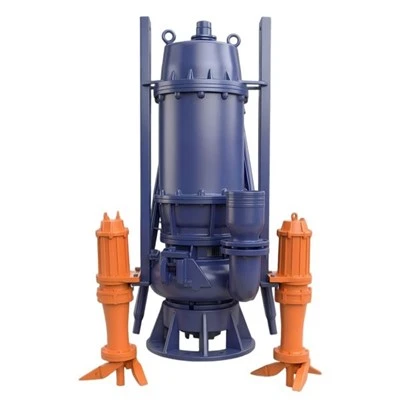
First, let’s get one thing straight: a sand pump is not a standard water pump. Most people new to the industry assume they can swap out a standard centrifugal pump for a sand pump and call it a day, but that’s a costly mistake. The fluids these pumps move—river sand mixtures, mine tailings, construction-site slurry with gravel and debris—are far denser, more abrasive, and more likely to clog than plain water. The foundation of a sand pump starts with the type of pump itself, and 90% of the reliable sand pumps I work with are centrifugal, not positive displacement. I’ve tested positive displacement pumps for high-sand applications, and while they work for small, low-volume jobs, they break down faster when dealing with large, constant flows of sand. Centrifugal pumps work by accelerating the fluid mixture and using centrifugal force to push it through the discharge line, which is a simpler, more robust design for moving heavy slurries over long distances. That’s not to say all centrifugal sand pumps are the same—there’s a big difference between a cheap off-the-shelf unit and one built for consistent, long-term sand duty.
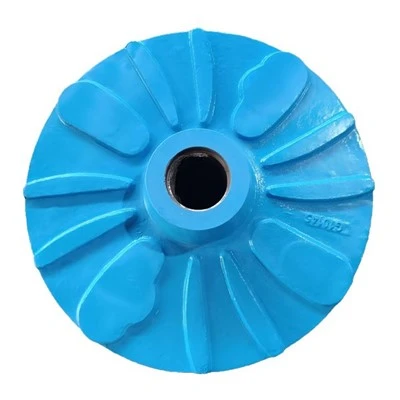
Next, the most critical part of a sand pump’s foundation is the material of its wear components. This is where so many cheap suppliers cut corners, and where I’ve seen customers end up replacing their pumps every six months instead of every three to five years. The internal parts that come into direct contact with sand—the impeller, the volute (the curved casing that surrounds the impeller), the suction plate, and the wear ring—aren’t made from standard cast iron. For most general-purpose applications, we use high-chrome alloy, a material that’s harder than steel and has tiny, tightly packed carbides that resist abrasion from sand particles. For harsher jobs, like mine tailings with sharp, angular sand or slurry that has larger gravel, we’ll use natural rubber or polyurethane liners. I remember a job in Western Canada a few years back where a customer was trying to pump tailings that had a lot of sharp, crushed quartz; they initially went with a high-chrome impeller, but the quartz particles were cutting through the chrome in just four months. Swapping it for a rubber-lined volute and impeller changed everything—those parts lasted over two years. The key here is that the wear components aren’t an afterthought; they’re the backbone of the pump’s lifespan, so the foundation has to match the specific sand and job conditions, not a one-size-fits-all material.
Then there’s the pump’s design itself, specifically the clearance between the impeller and the volute, and the shaft alignment. A common mistake in poor-quality sand pumps is that this clearance is too tight. When sand gets into that small gap between the impeller and volute, it acts like sandpaper, grinding down the parts and causing the pump to lose efficiency fast. A well-designed sand pump has a slightly wider, adjustable clearance that lets sand particles pass through without getting trapped, while still maintaining enough pressure to move the slurry. Shaft alignment is another piece of the foundation. I’ve seen new pumps fail within a month just because the factory didn’t align the impeller shaft correctly—even a 0.5 mm misalignment causes extra friction on the wear parts and leads to premature breakdowns. That’s why, when we build our pumps, we do a precision alignment check before they leave the warehouse, and we always include a maintenance guide that shows customers how to recheck alignment on site, because vibration from moving heavy slurries can shift that over time.
Suction design is also part of the foundation that’s easy to overlook, but it makes or break a sand pump’s performance. The suction line has to be sized correctly to avoid cavitation, which is when low pressure at the pump’s inlet causes air bubbles to form. Those bubbles collapse when they reach the higher pressure on the discharge side, creating tiny shock waves that eat away at the pump parts over time, and they also reduce how much slurry the pump can move. For example, if you have a pump rated for 100 gallons per minute of sand slurry, and you use a suction line that’s too small, cavitation will cut that output by 30% or more, and the pump will wear out twice as fast. A good sand pump supplier will size the suction line based on the density of the slurry and the distance the suction line is from the sand source—whether that’s a dredge pump pulling from a river, or a pump pulling from a storage tank at a mining site. I always tell customers to never use a smaller suction line to save money; it’s one of the worst investments you can make in a sand pump.
Electric or power choice? Wait, no, that’s more about the drive system, but actually, the foundation also includes the base frame. The base frame that holds the pump and its motor or engine has to be rigid enough to absorb the vibration from running a heavy sand pump. A flimsy steel base will flex over time, shifting the alignment of the pump shaft and increasing wear on the parts. Most reliable sand pumps come with a heavy-duty welded steel base that’s bolted to the ground, and we also include vibration isolators to reduce noise and further protect the alignment. I’ve seen cheaply made pumps on flimsy bases shake so much that their pipe connections cracked within a week of starting up on a construction site. That’s a preventable problem, but it’s a part of the foundation that many people don’t consider until it’s too late.
Another often-overlooked part of the foundation is the integration with the rest of the system, but wait—no, let’s make sure this stays focused on the pump itself. Wait, no, actually, even when you build a pump with all the right parts, it only works well if it’s installed correctly, but the foundation of the pump as a machine is about its core components. Let’s clarify: when I say foundation, I mean the non-negotiable, core design and material choices that make a sand pump durable and effective for sand duty, not just a generic pump with a label. I’ve had customers call me upset because their new sand pump isn’t moving enough slurry, and when I ask what they’re pumping, they say “river sand.” I check the pump model they bought, and it’s a standard centrifugal pump with cast iron parts, sized for water flow, not sand. That’s not a sand pump—it’s a pump that’s being used for sand, and it’s never going to last. The foundation is built to handle that abrasive, dense fluid from the start.
Let me give you a real example. Last year, we worked with a small dredging company in Louisiana that was losing thousands of dollars a month replacing their old sand pumps. They had been buying cheap pumps from overseas, each lasting an average of three months. We built them a set of custom sand pumps with high-chrome impellers and volutes, sized to match their dredge line, with an adjustable clearance system. Those pumps have now been running for 18 months, with only a single wear part replacement (a small part that takes 10 minutes to swap out, no full pump teardown). The difference wasn’t magic—it was building the pump’s foundation for their specific application, not cutting corners on materials or design.
I also want to talk about maintenance, because the foundation of a sand pump isn’t just the parts it’s made of, it’s how it’s cared for. A reliable sand pump is designed with easy access to wear parts, so you don’t have to take the whole pump apart to replace an impeller. That’s part of the foundation too—designing for serviceability, because even the best wear parts will eventually need replacement. If a pump requires a full teardown every time you need a new impeller, you’re losing downtime and money that adds up fast. All the sand pumps we supply have bolt-on wear parts, not welded or pressed-in ones, so a single person can swap an impeller in under an hour. That’s a design choice that’s part of the foundation, and it’s one that many budget suppliers skip to cut production costs.
Another point: solids handling capability. Not all sand is the same, and a good sand pump’s foundation is built to pass the maximum solid size in the slurry. If your job has sand mixed with small gravel, the pump has to be able to pass that gravel without clogging. A well-designed impeller with large, open passages does that. I’ve seen pumps with closed impellers clog constantly when they hit a rock or a big chunk of sand, while open or semi-open impellers keep moving even with small debris. That’s not a minor detail—it’s part of the core design that makes a pump a sand pump, not a plain water pump.
Let’s circle back to why this matters, because at the end of the day, a sand pump’s foundation is about saving you time and money. When you’re running a dredge operation, mining site, or construction dewatering project, downtime is expensive. A pump that fails every three months means lost production, extra labor to replace it, and the cost of buying a new unit every quarter. A sand pump built on a solid foundation—right materials, correct design, proper clearance, serviceable parts—lasts longer, runs more efficiently, and costs less over its lifetime. I’ve had customers tell me that switching to our pumps cut their pump-related costs by 70% within the first year. That’s not because our pumps are cheap (they’re not, we price them fairly for the quality), it’s because the foundation means you don’t have to replace them every few months.
I’ve also learned that the best way to build a good sand pump isn’t just copying designs that worked 50 years ago, or chasing new fancy materials. It’s listening to job site operators, seeing what fails, and adjusting the design based on real use. I spend at least a week every quarter on job sites, talking to the people running the pumps, seeing what breaks, what works, what they wish was different. That feedback becomes part of the foundation. For example, a couple of years ago, a dredge operator told me that the standard suction guard we were including was getting clogged with seaweed and debris, making the pump lose suction. We redesigned the suction guard to have wider slots and a curved shape that lets debris pass through instead of getting stuck, and that small change cut their suction issues by 90%. That’s the kind of attention to the real needs of sand duty that makes a pump’s foundation strong.
So if you’re in the market for a sand pump, don’t get fooled by suppliers who call every centrifugal pump a “sand pump.” Ask about the material of the wear parts, the impeller design, the clearance between rotating parts, the suction sizing, and how easy it is to service. These are the things that make up the foundation of a sand pump, and they’re the difference between a pump that works for months or years.
If you’re ready to stop dealing with pump failures and downtime, and get a sand pump built for your specific application, I’d be happy to walk you through our line, or help you build a custom pump tailored to your job’s needs. We’ve worked with dredging companies, mining operations, construction teams, and agricultural operations across the country, and we know how to build pumps that last. Reach out to our team to start a conversation about your sand pumping requirements.
Slurry Pump References
- Centrifugal Slurry Pump Design and Application Guidelines, Hydraulic Institute, 2021
- Abrasion Resistance of Industrial Pump Materials, American Society of Mechanical Engineers, 2019
- Sand Pump Performance in Dredging Operations, International Association of Dredging Companies, 2020
- Maintenance Best Practices for Heavy-Duty Slurry Pumps, Plant Engineering Magazine, 2022
Shijiazhuang Ruite Pump Co., Ltd.
As one of the most professional sand pump manufacturers and suppliers in China, we have world-leading production equipment and strong manufacturing capabilities. Please feel free to buy durable sand pump for sale here from our factory. Quality products and reasonable price are available.
Address: Majuan village, Nandong town, Gaocheng, Shijiazhuang, China
E-mail: info@ruitepump.com
WebSite: https://www.rtslurrypumps.com/
